The neighbourhoods nobody was talking about five years ago: Manchester
The interesting investment question is not which district is fashionable, but which changes are already visible on the ground.
By 36 Partners5 min read
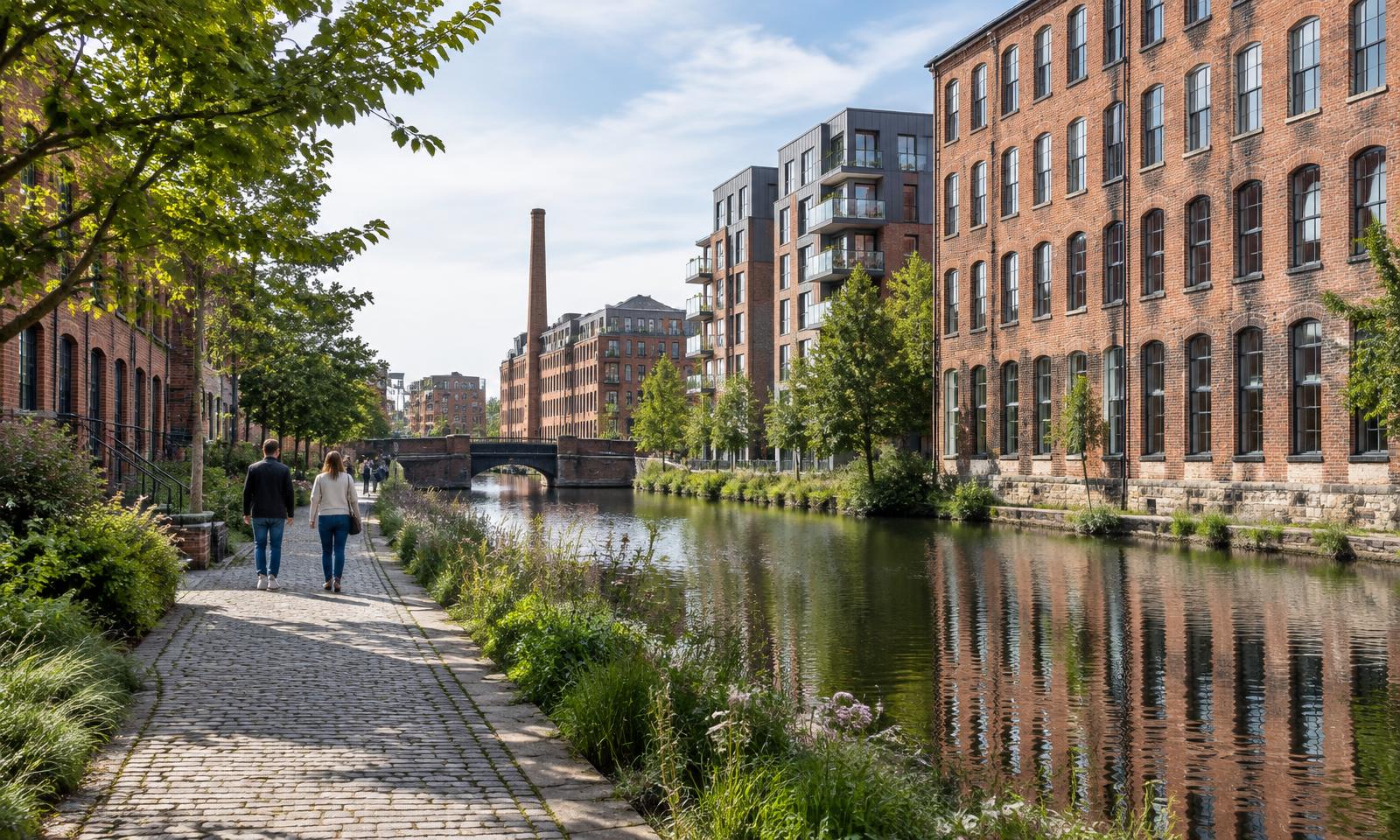
A neighbourhood does not suddenly become interesting when it gets a new nickname. The real change is slower: an old building gets a second use, a walking route becomes pleasant, new neighbours move in, and businesses begin to stay open after office hours. Manchester offers several versions of that story, but each has a different starting point and a different set of risks.
Look at Ancoats and New Islington. Five years ago they were hardly secret to anyone living in Manchester. Yet the wider story of their transformation has travelled far beyond the city. Restored industrial buildings sit alongside newer homes and waterside public space. The city council’s regeneration account describes substantial residential, retail, leisure and commercial development. That is a description of work over time, not evidence that every nearby site is finished—or that every apartment is worth the same price.
The appeal of a place, not just a building
Ancoats illustrates how reuse can make an area feel established. Mills give the streets character; homes and businesses give them everyday life. New Islington’s waterside setting offers a different experience within walking distance. Together, these neighbourhoods show why a tenant may choose a place for more than the specification of an individual flat.
But attractive surroundings can also make a purchase dearer. If a neighbourhood’s reputation is already reflected in its asking prices, the investor must be careful not to pay again for improvements that the market has recognised. Compare an apartment’s layout, light, condition and running costs with actual alternatives nearby. A famous postcode cannot compensate for a poor floorplan or a service charge that eats into income.
The most instructive walk is often between places rather than through their best-known streets. How does the route feel from the building to a station in the evening? Are the shops and public spaces useful to residents, or just good in promotional photographs? Where are the edges still dominated by traffic or vacant plots? A tenant experiences all of those details, not just the coffee shop nearest the sales suite.
What happens at the edges?
North of the centre, Victoria North is a long-term regeneration programme. Plans envisage homes, streets and green space on land that has had other uses. The scale is notable; so is the time it can take to make a new neighbourhood feel complete. An investment decision today should distinguish the facilities that exist from the ones intended for later phases.
Around Manchester Victoria, the northern edge of the centre offers a different proposition: an established station, work and leisure within walking distance, and new homes arriving around older streets. Across the River Irwell, Greengate belongs administratively to Salford, even though residents may experience it as part of Manchester’s centre. That distinction matters when reading local market data or comparing council plans. A city-centre map is not a substitute for knowing which authority—and which rental market—a property sits within.
Neither place is a repeat of Ancoats. New towers can change a skyline quickly while the ground-floor life takes much longer to develop. A view over an empty plot may be temporary; a promised public space may depend on another phase. The best question is not “could this be the next Ancoats?” but “what will a tenant actually have on the day the keys are handed over?”
Across the water in Salford
Salford Quays offers an earlier example of an industrial landscape changing purpose. Former docks now sit alongside homes, cultural destinations, workplaces and Metrolink stops. Salford City Council’s overview sets out MediaCity’s role as a centre for broadcasting and creative businesses. That combination of work and waterside living helps explain why the area attracts people with different routines from those of a traditional city-centre office worker.
Even here, the story is unfinished. The council’s MediaCity/Quayside regeneration framework describes further planned homes and business space. A framework is a guide to future development, not a completed building or a timetable you can bank on. Ask whether the flat you are considering works on today’s surroundings, with possible future improvements as a separate scenario.
How to read a changing neighbourhood
There are three useful layers. First, the existing place: transport that operates, employers that trade, parks and shops people use. Second, committed change: construction under way or a funded public project, still subject to delays. Third, aspiration: a framework, proposal or artist’s impression. These layers deserve different weight in any purchase decision.
Then look at the individual building. Who is the developer, what is its record, how is the apartment specified, and what will the resident pay on top of rent? Walk the immediate streets and compare other available homes. A new address can be exciting, but the numbers must survive without a speculative uplift.
Manchester’s changing districts reward curiosity rather than a hunt for the next label. If you are comparing Manchester and Salford properties, we can help you separate what is already there from what is proposed, and look at selected developments in that context. The best neighbourhood story is one a future resident would recognise when they step outside.
Sources: Manchester City Council, Ancoats and New Islington regeneration materials and city regeneration programme; Salford City Council, MediaCity and Salford Quays overview and MediaCity/Quayside regeneration framework. Future plans are described as proposals, not completed outcomes. Cover image is illustrative.
This article is for general information only and does not constitute financial advice.
Related developments
Related Developments
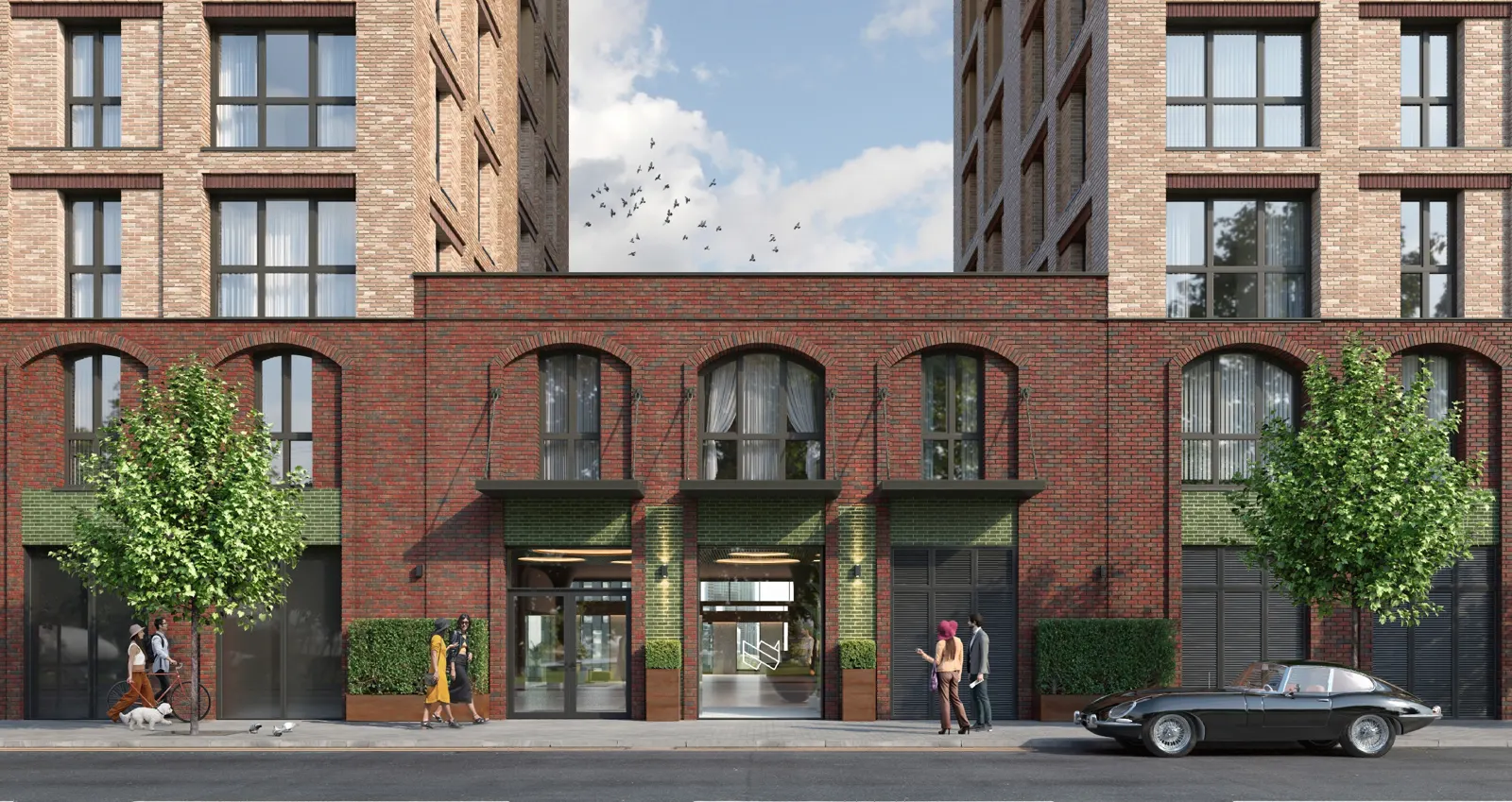
Waterhouse Gardens
Dutton Street, Manchester M3
0.0%
gross yield on achieved 1-bed rents
Prices from £330,000
- Built and ready to occupy — no construction wait
- Pool, spa, cinema and 2,500 sq ft gym on site
- 7 min walk to Victoria Station
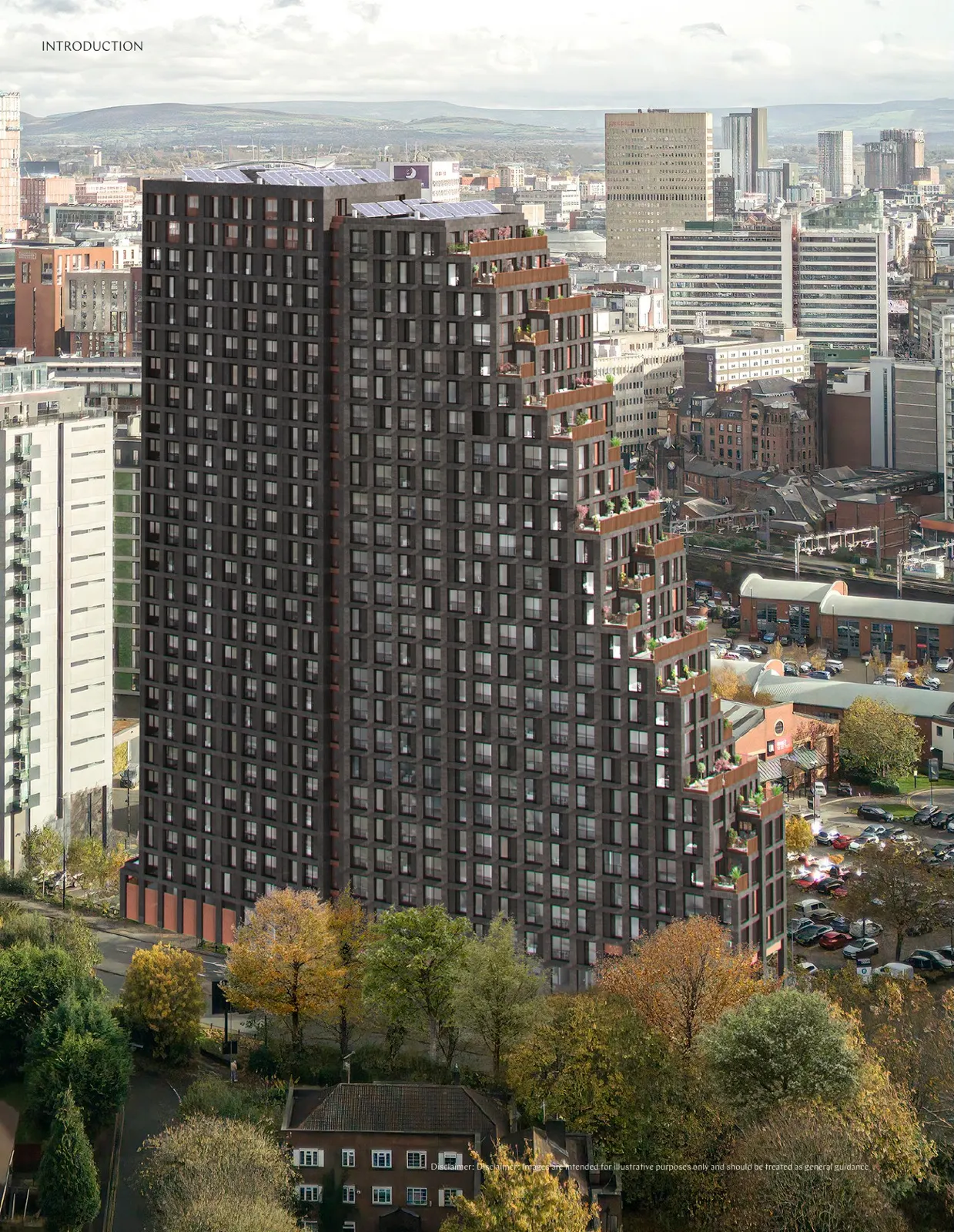
Obsidian
Trinity Way, Salford / Manchester City Centre
Off-plan · secure today's prices
Prices from £292,784
- Studios to three-beds from £292,784
- Under construction, completing Q4 2026
- Gym, cinema, co-working and 24h concierge
More from News
City Stories
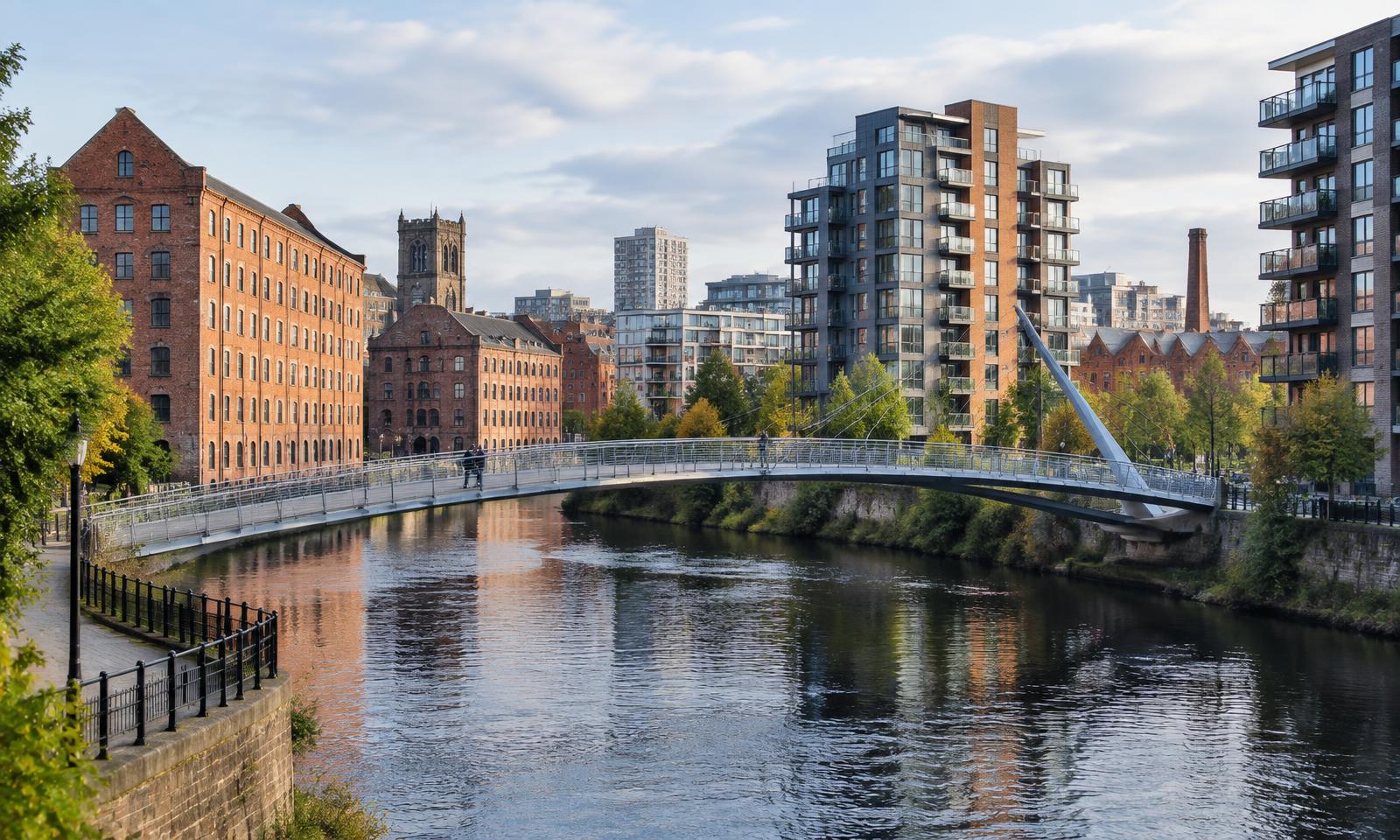
Salford’s second act: what lies beyond MediaCity?
MediaCity is an established anchor, but Salford’s neighbourhoods have distinct stories and different delivery stages.
21 August 2026 · 5 min read
Read article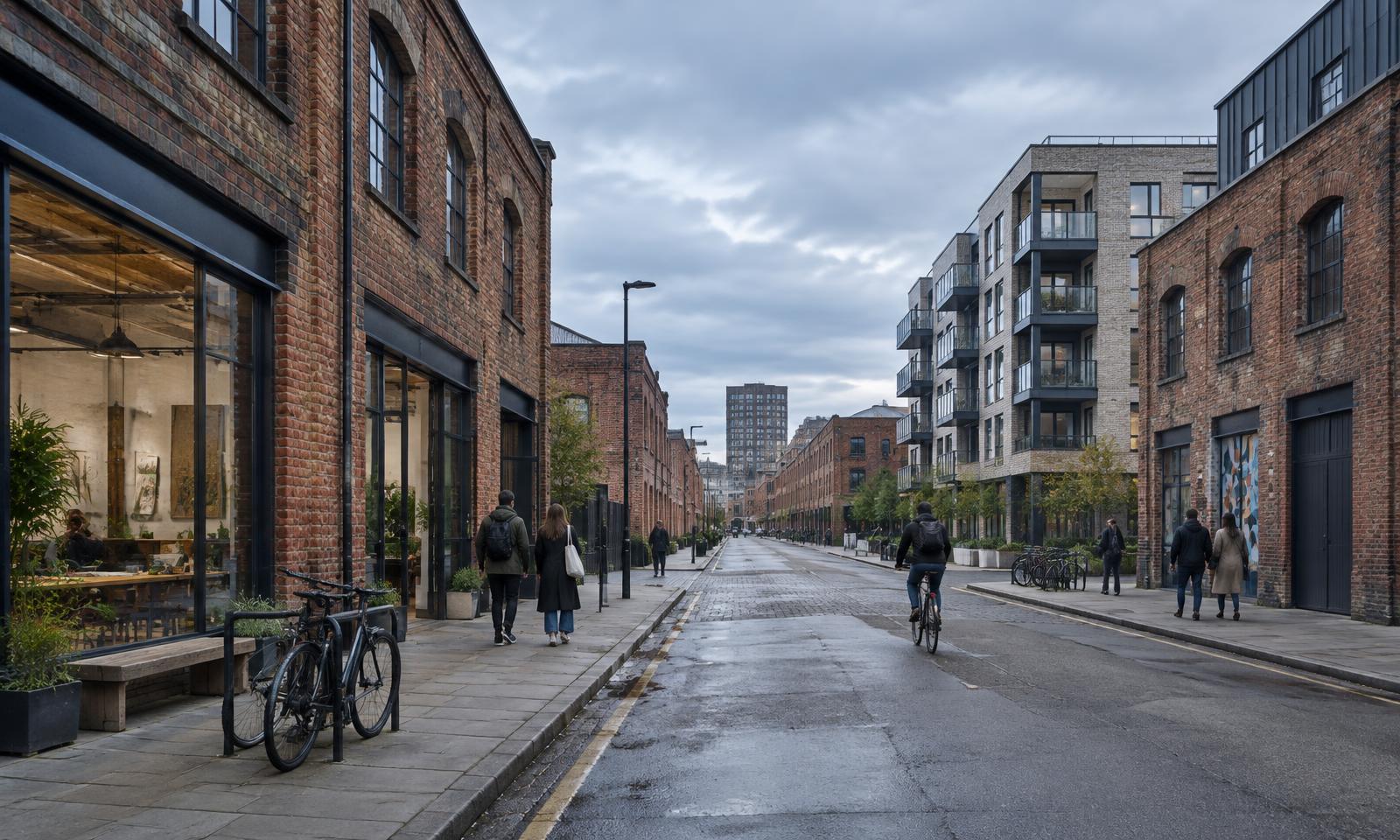
City Stories
The neighbourhoods nobody was talking about five years ago: Liverpool
The Baltic Triangle, Knowledge Quarter and North Docks reveal three very different ways a city can change.
7 August 2026 · 5 min read
Read article
City Stories
Where does a graduate go after university?
The move from halls to a first job is a housing story about routines, budgets and transport.
31 July 2026 · 5 min read
Read articleSpeak to our team
Want to explore property investment opportunities?
Speak to the 36 Partners investment team.