The 20-minute city: what do renters actually want close to home?
Everyday errands, reliable transport and the quality of the route between them matter more than a fashionable label.
By 36 Partners5 min read
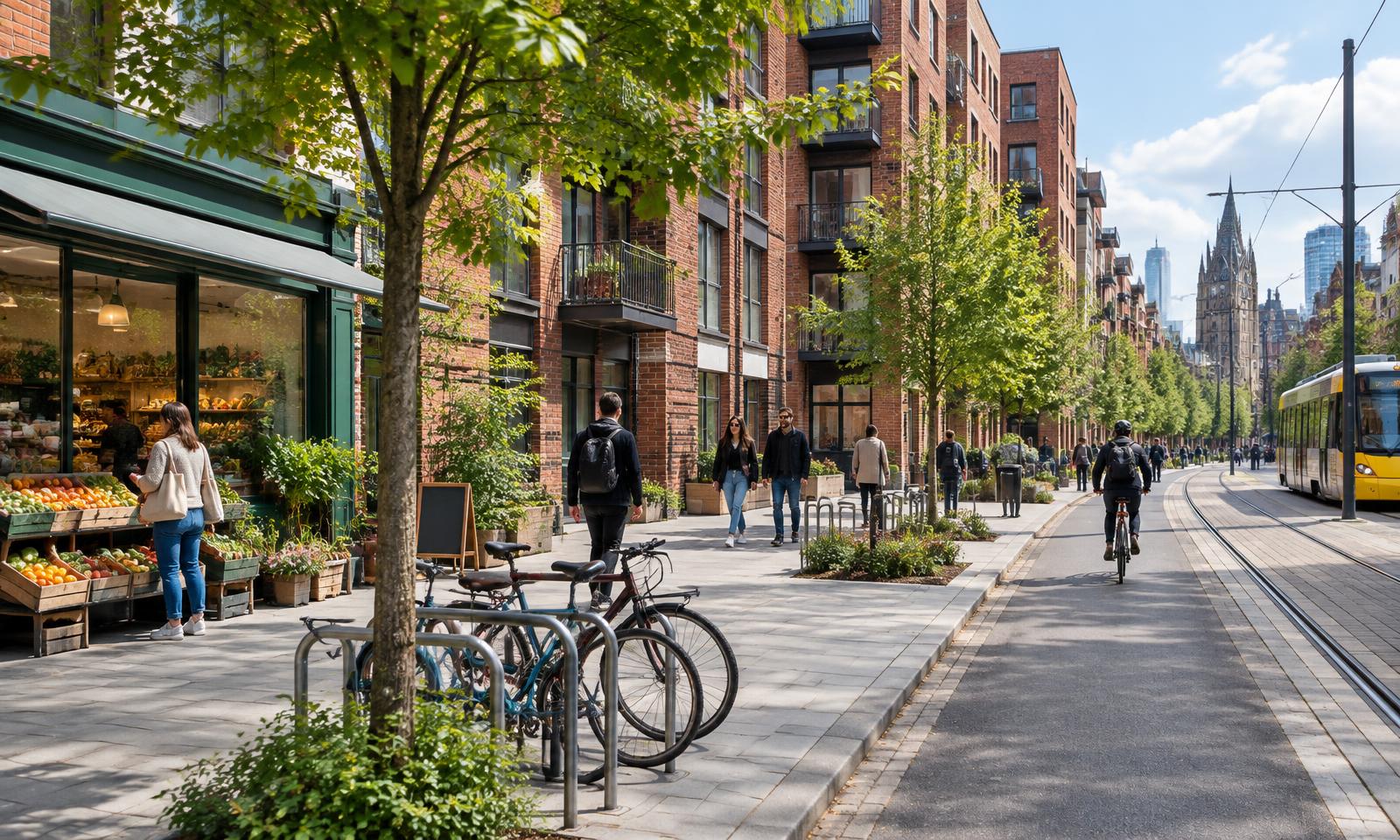
Imagine drawing a circle around an apartment and declaring that everything important should sit within twenty minutes. It is a persuasive image, but daily life rarely respects a perfect radius. A supermarket can be close as the crow flies yet require a difficult road crossing. A workplace can sit farther away but have a direct tram. What renters want nearby depends on their routines, budget and stage of life.
The ‘20-minute city’ is often used as shorthand for a walkable neighbourhood. It is not a single policy that guarantees every Greater Manchester street will have the same services. The Places for Everyone plan and Streets for All strategy give regional planning and street-design context. They are not assessments of a particular private apartment building.
Twenty minutes of what?
For one tenant, the most valuable nearby place may be a station to a major employer. For another it is a nursery, a gym or a grocery shop that stays open after work. Being ‘close to amenities’ is almost meaningless until you specify the amenity and the journey. Test the walk with the same care you would test the kitchen: real pavements, crossings, lighting and the feel of the street in poor weather.
A useful neighbourhood can combine what is on the doorstep with good routes farther afield. No single district needs every job or cultural venue inside a short walk. What matters is whether a household can make common journeys without unnecessary friction. A reliable bus or tram can extend choice; safe cycling can help too. Driving and parking may still be important to some tenants, depending on their work and family needs.
The street can be more important than the distance
Two homes may be the same walking time from a station but offer completely different experiences. One route passes open shops and active frontages; the other follows blank walls and wide traffic lanes. Look at how the ground floor meets the street, whether public spaces are used and how easy it is to cross to the next neighbourhood. The relationship between the building and its surroundings is not captured by a travel-time badge.
This is especially relevant in areas being redeveloped. Renderings often show mature trees, completed shops and an animated public realm. Ask which elements are already present, which belong to the current phase and which depend on later work by a different party. A potential future high street is not a substitute for a useful shop today.
Different listed locations, different daily lives
Waterhouse Gardens on Dutton Street puts the Manchester–Salford edge in the conversation about walking to central amenities. West One is in Salford and should be assessed in relation to its own nearby services and routes. Trafford Waters, at TraffordCity, has a distinct mix of retail and leisure nearby rather than an identical central-city experience. None is ‘better’ by virtue of a twenty-minute label; they suit different people and require different journey checks.
In Liverpool, The Gateway and SoapWorks sit in Pumpfields. Check how residents move between these streets, the city centre and stations today, not just how a future neighbourhood diagram imagines it. Each of these schemes is delivered by its named developer; 36 Partners offers selected stock and location guidance rather than building the surrounding streets.
A practical renter’s map
Make a list of five everyday journeys and travel them: food shopping, work, a transport hub, a green space and a place to meet friends. Try at least one outside office hours. Note comfort as well as minutes. Then compare equivalent apartments with similar rents in other districts. What trade-offs does the new address ask the tenant to make, and what does it give back?
For investors, the aim is not to prove every renter wants the same ‘walkable’ lifestyle. It is to understand whether this particular home has a convincing daily proposition for enough people at a realistic rent. Our location guides can help frame the question, and our team can provide the current details of a listed scheme.
A circle is not a lived journey
If a shop is a fifteen-minute walk away but the route crosses an inhospitable road, another shop at twenty-five minutes on a direct tram might be the one a tenant actually uses. Travel-time graphics rarely account for crossings, gradients, service frequency or the experience of walking home after dark. Visit at different hours and ask a practical question: would you willingly make this journey several times a week?
That test extends to the building entrance. Is there somewhere sensible to store a bicycle? Can deliveries reach the property? Is the route to the front door clear for someone with shopping, a pushchair or limited mobility? A district can promote active travel while an individual block still makes daily errands awkward. Those details are not glamorous, but residents encounter them every day.
A twenty-minute neighbourhood can also change. A café may open while a supermarket closes; roadworks can interrupt a pleasant route; a new employer can alter where people travel. The best purchase case is not built on exactly one favourite amenity. It draws on a useful mix of services and adaptable connections, while the rent remains realistic for the people likely to choose the home.
Sources: Greater Manchester Combined Authority, Places for Everyone; Transport for Greater Manchester, Streets for All strategy. The cover image is illustrative.
This article is for general information only and does not constitute financial advice.
Related developments
Related Developments

Waterhouse Gardens
Dutton Street, Manchester M3
0.0%
gross yield on achieved 1-bed rents
Prices from £330,000
- Built and ready to occupy — no construction wait
- Pool, spa, cinema and 2,500 sq ft gym on site
- 7 min walk to Victoria Station
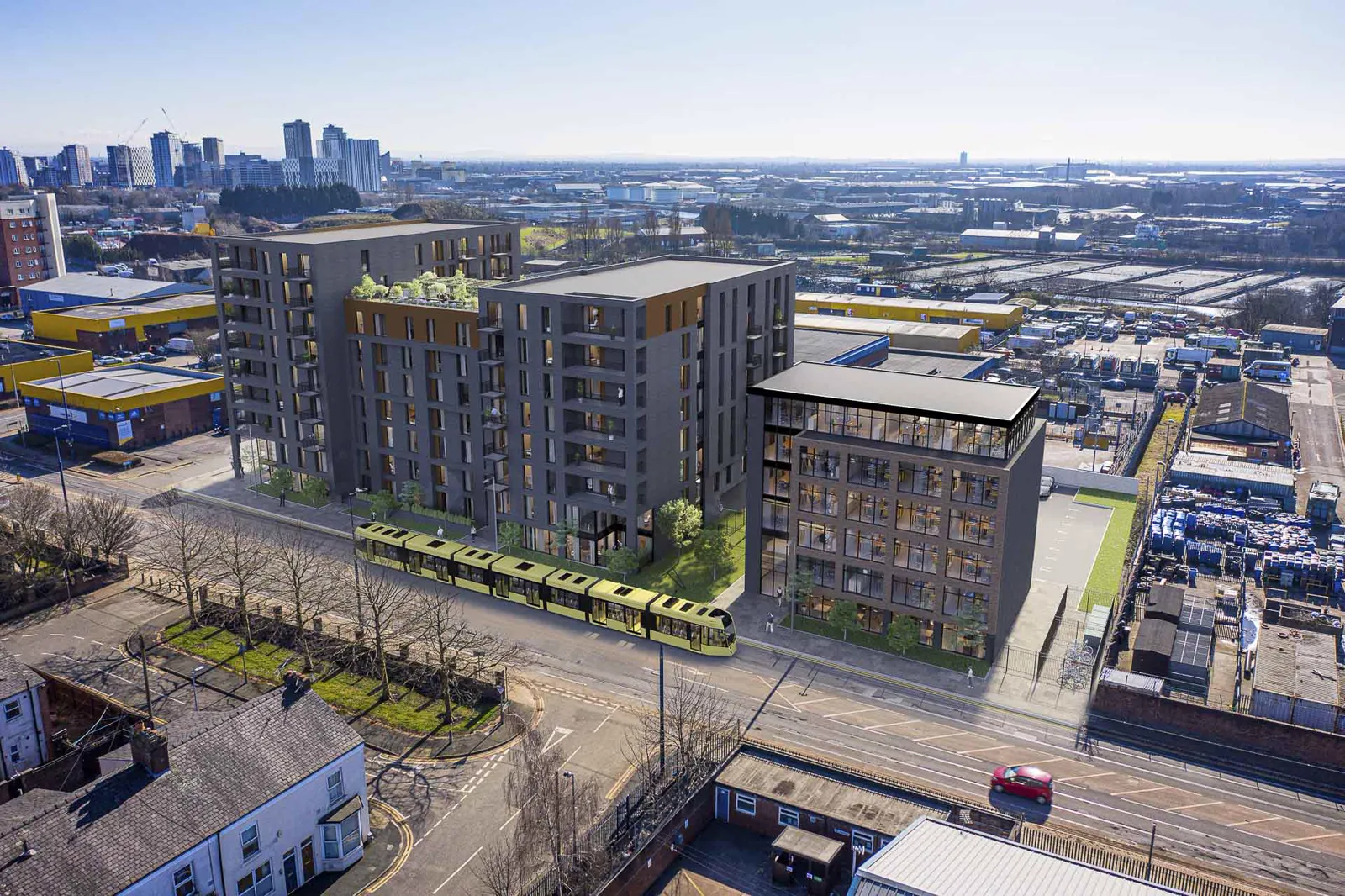
West One
Salford, Greater Manchester
Rental figures available on enquiry
Prices from £334,950
- Availability and pricing available on enquiry
- Eco-led apartments near MediaCityUK
- Minutes from MediaCityUK and Salford Quays
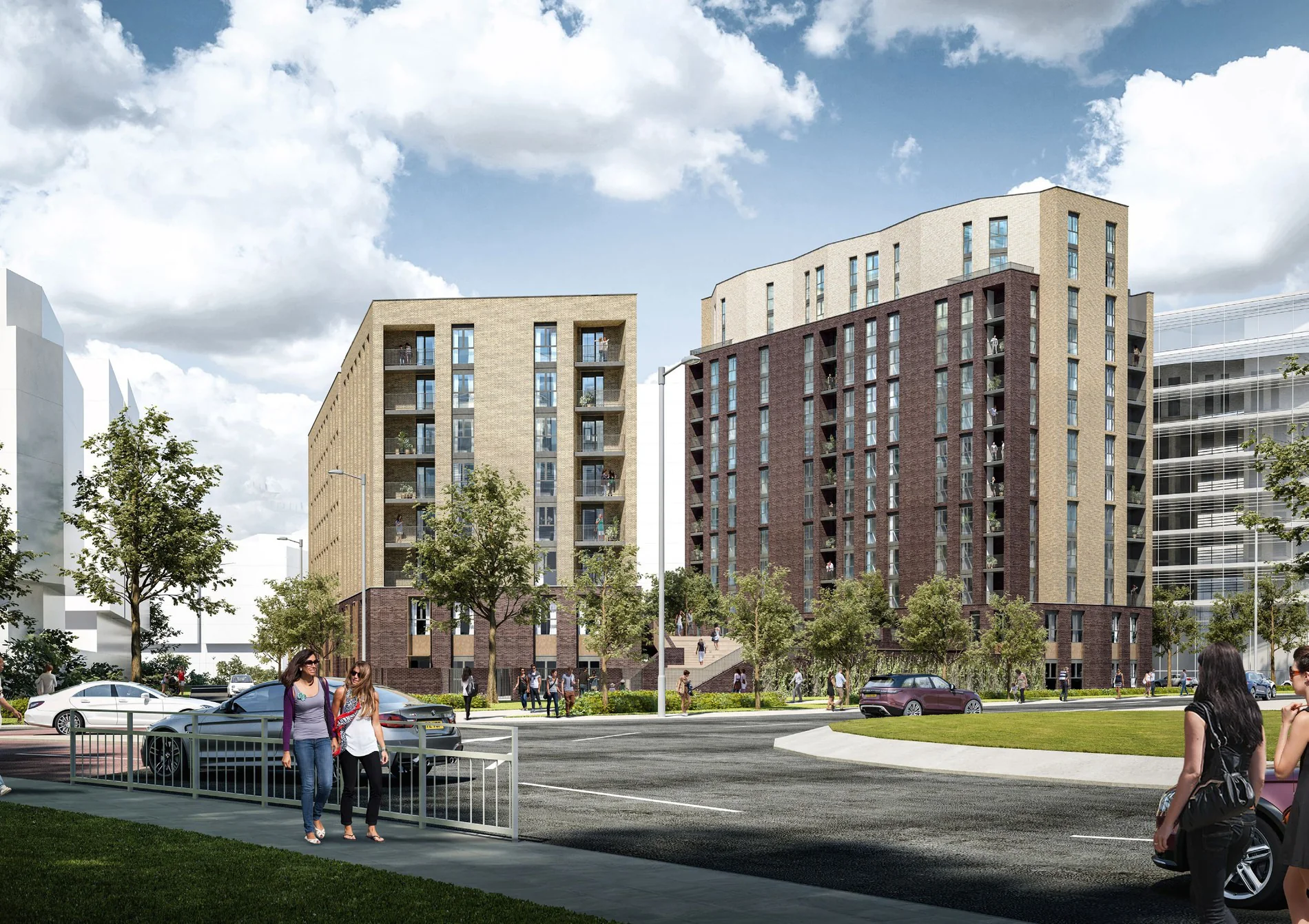
Trafford Waters
TraffordCity, Manchester
0%
NET rental assurance, contracted for five years
Prices from £257,875
- 6% NET rental assurance, contracted for five years
- Waterfront, five-minute walk to the Trafford Centre (Rotheo brochure estimate)
- Furniture packs available from £2,995; 250-year leasehold
More from News

News & Opportunity
The North West’s new skyline: what is actually being built?
A skyline drawing can contain completed towers, active sites and buildings that exist only on paper.
22 May 2026 · 5 min read
Read article
News & Opportunity
Follow the tram: what does Metrolink really mean for property?
A tram stop can widen a renter’s choices. It cannot make a poor apartment a good investment.
3 April 2026 · 5 min read
Read articleSpeak to our team
Want to explore property investment opportunities?
Speak to the 36 Partners investment team.